S3-Compatible Object Storage: MinIO Alternatives and Self-Hosted Storage Options
For years, the answer to “we need our own S3-compatible storage” was one word: MinIO. It was easy to install, […]
It is 2 a.m. and a production server is misbehaving. Someone logs in over SSH, tweaks a config file, restarts […]
Every finance team knows the moment. The hosting invoice lands, it is noticeably bigger than last month, and someone asks […]
Picture a Monday morning. Customers say checkout is slow. The payments team checks their dashboards and everything is green. The […]
Nobody believes they will be the one staring at a ransom note. Then it happens on an ordinary Tuesday. Files […]
Here is a story that plays out in a lot of young SaaS companies. The product launches, events start flowing […]
Every operations team knows the cycle: thousands of alerts, a handful that matter, and an on-call engineer deciding at 3 […]
Most AI teams hit the same wall around their second or third production model. The first one was shipped by […]
It’s easy to spend a large budget on GPUs and then discover the network is what limits them. In distributed […]
A GPU server doesn’t fail loudly when it runs too hot. It slows down. Modern GPUs protect themselves by reducing […]
The question isn’t whether to use dedicated servers, cloud, or edge infrastructure for AI — it’s which workload belongs on […]
Every business adopting AI eventually faces the same fork in the road: call a hosted API from a provider like […]
An AI agent that can call tools, execute code, and act on a user’s behalf is also, by definition, a […]
Once you’ve decided a project needs semantic search or retrieval, the next question is which vector database to actually run, […]
Retrieval-augmented generation looks simple in a demo: embed a question, search a vector store, stuff the results into a prompt, […]
Most production AI systems don’t call a single provider. A typical stack might route to a hosted API for general […]
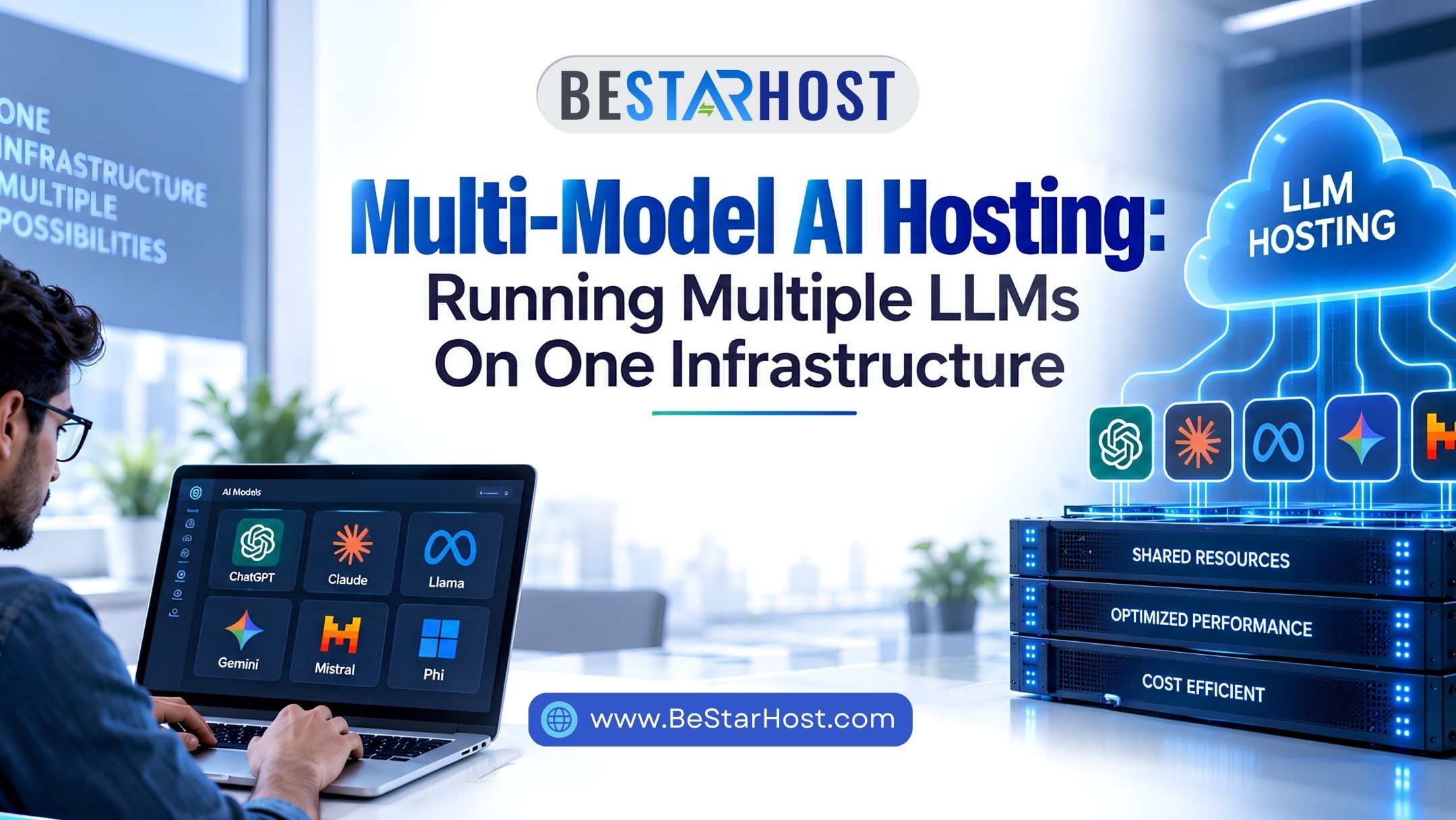
Very few production AI systems run on a single model anymore. A typical stack might use a small, fast model […]
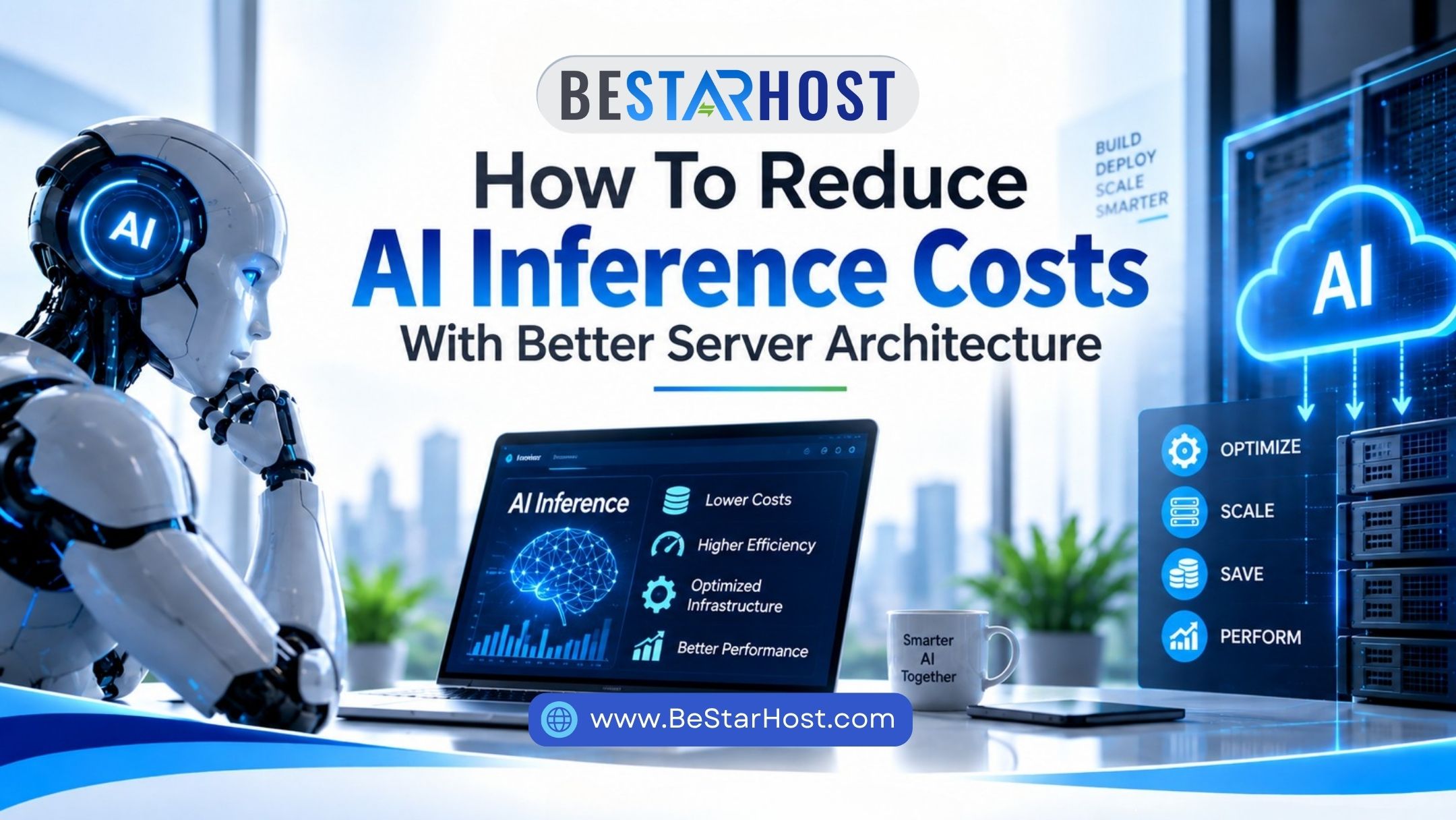
Most conversations about reducing AI inference costs start and end with quantization and batching — genuinely important, but they’re software-level […]
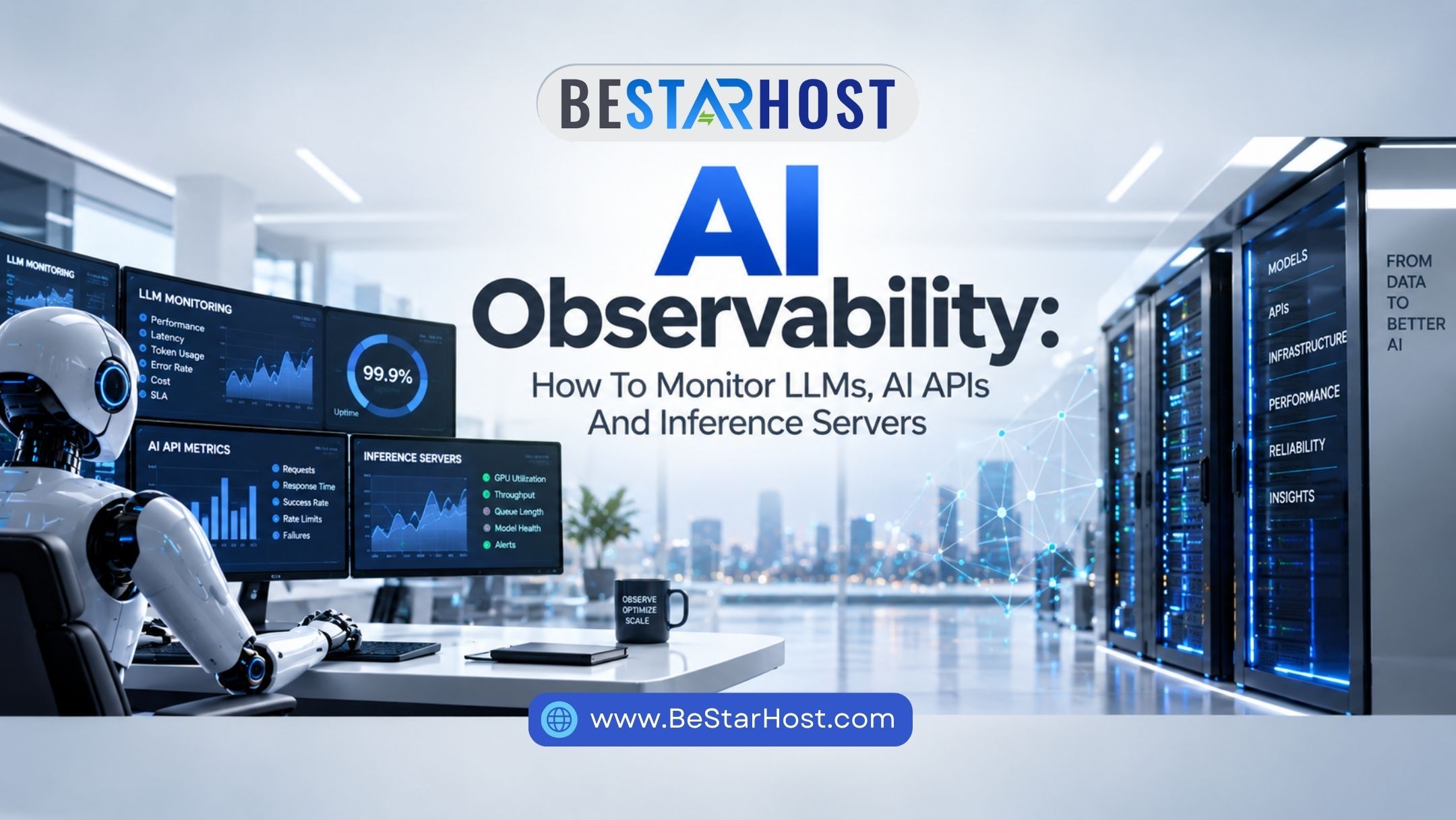
Traditional application monitoring answers questions like “is the server up” and “how fast did the request return.” Those questions still […]
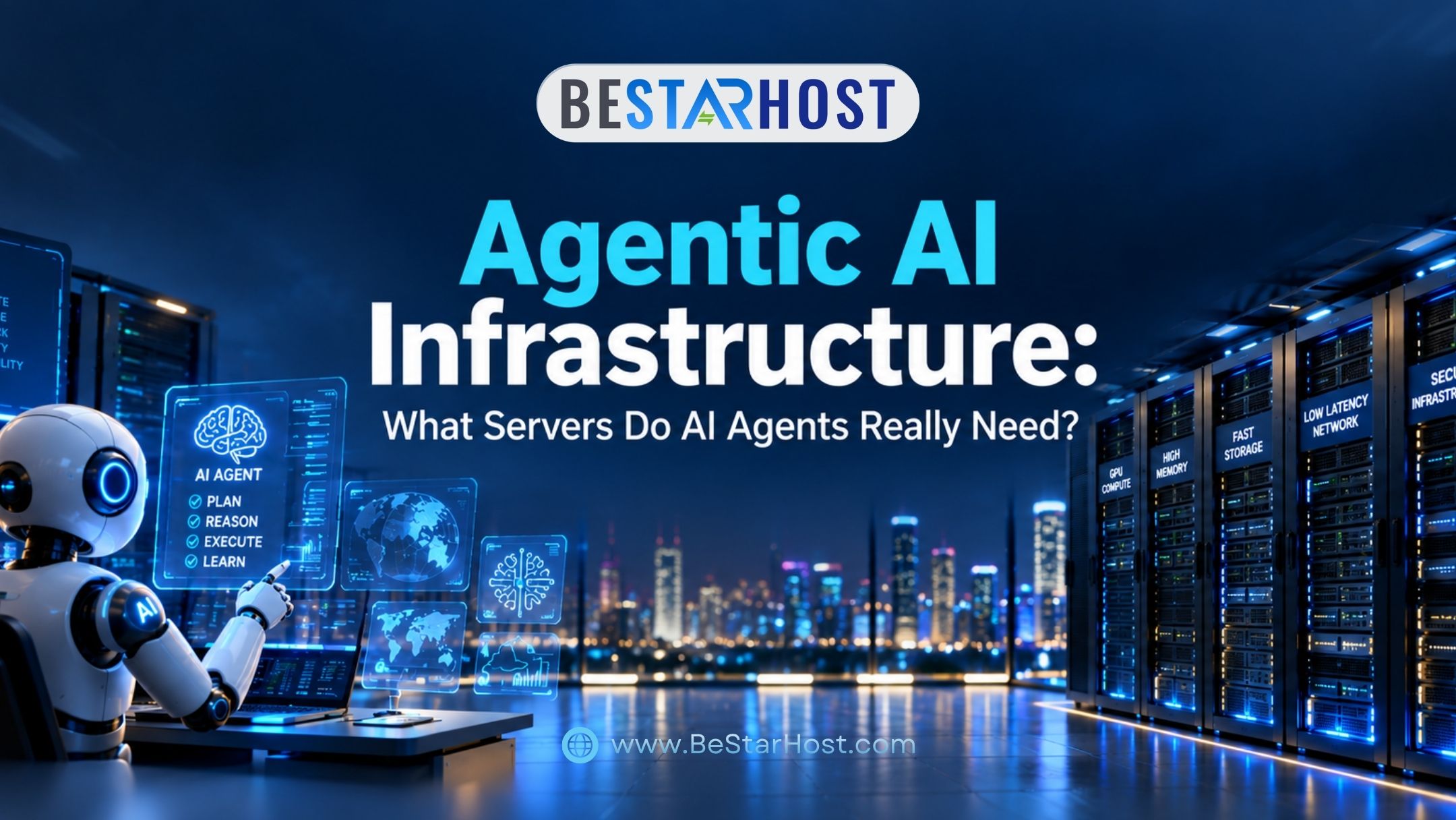
A chatbot answers a question and the request is over. An AI agent plans a multi-step task, calls tools, executes […]
Training a model happens once. Inference happens every single time someone uses it — which means AI inference hosting is […]